Overhaul Your Outdoors: Important Landscaping Solutions for Every Property
Transforming an outdoor space calls for assorted landscape services tailored to accommodate specific property needs. From blueprint to installation, each step functions as a vital role in achieving a cohesive look. Regular maintenance ensures that landscapes remain dynamic, while seasonal updates can strengthen their appeal across all seasons. Comprehending the importance of plant selection and hardscaping elements is fundamental. However, knowing where to start can be challenging. What are the key services every property owner should review?
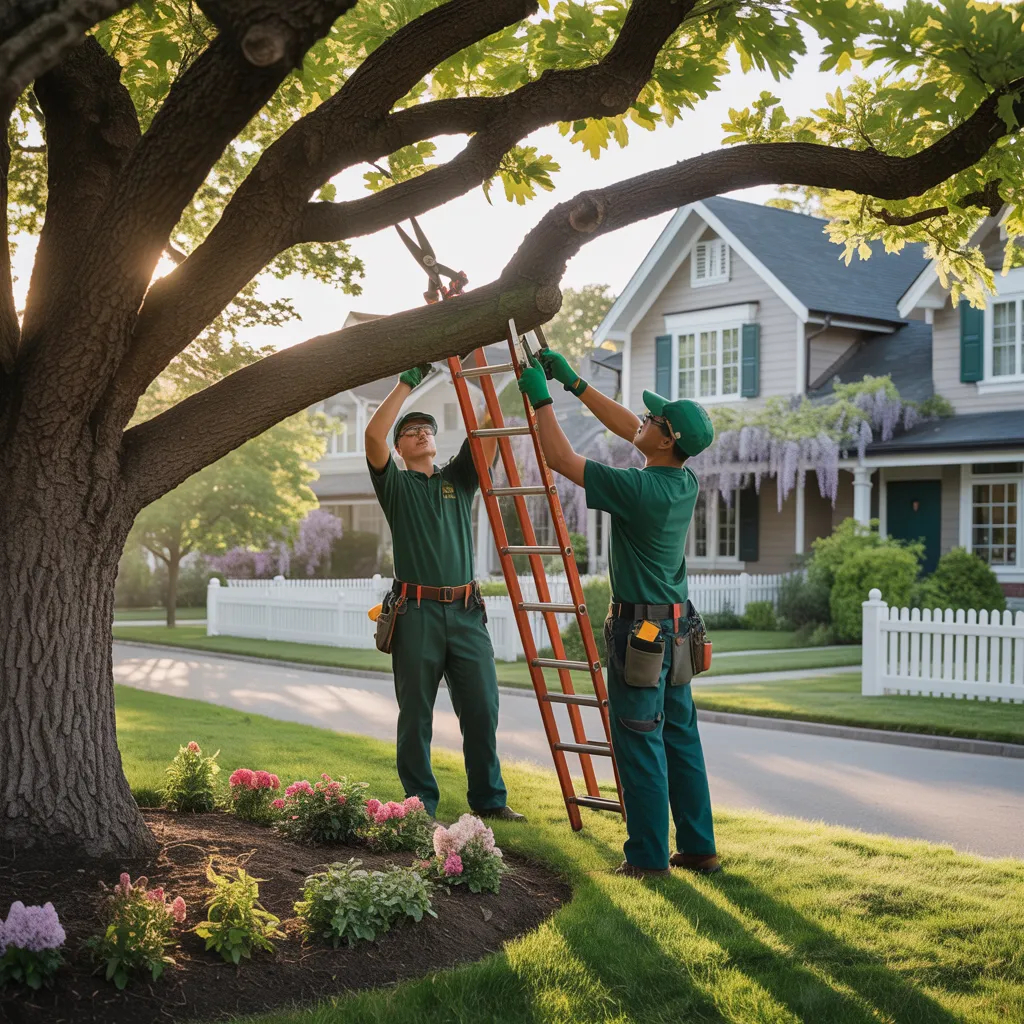
Everything You Should Learn About Landscape Design
When considering landscaping planning, one must understand that it entails more than just planting flowers and sodding. Effective landscaping combines various aspects, including hardscapes, plant selection, and environmental considerations.
A well-thought-out design complements the current architecture and environment, producing an visually attractive and functional outdoor space.
Recognizing the local climate and soil conditions is fundamental, as these factors determine plant health and longevity. Additionally, incorporating conservation-focused methods, such as native plants and efficient irrigation systems, can enhance the ecological balance while reducing maintenance needs.
Moreover, considering seasonal variations and the development patterns of plants guarantees that the landscape remains visually appealing year-round.
An effective design also takes into account the intended use of the space, whether for rest, entertainment, or gardening. Overall, a comprehensive approach to landscaping design can enhance a property's aesthetic appeal and practicality considerably.
Landscape Design Preparation
Building an exterior environment commences with meticulous landscape design planning, a fundamental requirement that forms the foundation for successful installation. This endeavor means evaluating the property's unique characteristics, comprising soil type, sunlight exposure, and existing vegetation.
Professionals often collaborate with clients to understand their vision and preferences, developing a thorough plan that incorporates elements such as plant selection, layout, and irrigation systems. Detailed planning guarantees that each aspect aligns with the general design and practical objectives of the space.
It also considers possible obstacles, such as drainage concerns or maintenance demands. Ultimately, effective landscape design planning not only elevates the visual appeal of outdoor areas but also maximizes their usability and sustainability, securing a thriving environment for years to come.
Hardscape Material Setup
Upon completing the landscape design planning phase, the attention moves to installation of hardscape features, which plays an important role in beautifying outdoor spaces.
The installation of non-plant features including patios, walkways, retaining walls, and decorative stonework is central to this process. Each element is carefully selected to enhance the overall design, providing both utility and aesthetic appeal.
Durable materials like concrete, pavers, and natural stone are commonly used to ensure longevity and minimal upkeep. Proper installation methods are essential to avoid issues such as drainage problems or structural instability.
Set up your watering system with these essential steps to ensure proper water distribution throughout your landscape.
A well-designed irrigation system is essential for preserving lush green spaces and guaranteeing optimal water consumption across any property. This setup requires careful planning and installation to satisfy the particular requirements of different vegetation and ground compositions.
Professional landscape designers assess the property's layout, determining ideal placement for sprinklers, drip lines, and controllers. They take into account factors such as water pressure, sun exposure, and seasonal weather patterns to create a customized system.
Additionally, smart irrigation technology can be incorporated to automate watering schedules, minimizing waste and encouraging healthy growth. Consistent upkeep guarantees the system functions effectively, avoiding leaks and clogs.
In the final analysis, a properly installed sprinkler system improves the aesthetic appeal of outdoor spaces while conserving critical water stocks.
Why Grounds Services Must Include Regular Service?
While many residents admire the aesthetic appeal of carefully maintained landscaping, the significance of consistent maintenance often becomes recognizable over time. Ignoring these tasks can lead to overgrown plants, problematic weeds, and deteriorating structures, which undermine the overall beauty and functionality of outdoor spaces.
Regular maintenance ensures that plants remain robust, vibrant, and appropriately pruned, while also addressing potential insect problems before they escalate.
Moreover, consistent upkeep of hardscaping features, including patios and walkways, reduces wear and tear, prolonging their lifespan. A well-maintained landscape not only improves curb appeal but also boosts property value.
Moreover, consistent upkeep can optimize irrigation systems, ensuring effective water consumption and promoting a sustainable environment.
Essentially, the expenditure in routine landscaping services is essential for preserving the integrity and allure of outdoor spaces, making them pleasant for years to come.
Seasonal Overhauls to Enhance Your Outdoor Setting
Enhancing an outdoor setting with seasonal adjustments can substantially boost its attractiveness and usefulness. As the seasons evolve, so do the possibilities for reinvention.
Spring offers fresh mulch and vibrant flower beds that can transform a space, creating a welcoming atmosphere. Summer might call for the supplement of outdoor furniture and shaded areas, perfect for gatherings.
Autumn gives a opportunity to feature seasonal decorations, including pumpkins and colorful foliage, while winter can be celebrated with evergreen arrangements and festive lighting. Each season provides unique elements that can refresh the landscape, making it a dynamic part of the home.
In addition, routine seasonal work may include care activities like pruning, fertilizing, and lawn aeration, ensuring the landscape remains thriving year-round.
Native Plant Advantages
Selecting indigenous vegetation for landscaping not only enhances the beauty of a property but also promotes ecological balance within the local environment.
Native plants are adapted to the local environmental conditions and ecosystem, making them less demanding to care for and more resistant against pests and diseases. They consume less water and fertilizer compared to non-native species, decreasing resource consumption and environmental impact.
Furthermore, native plants sustain local ecosystems by supplying habitats and food sources for native wildlife, including birds and pollinators.
Through utilizing these plants, property owners can design environmentally conscious gardens that thrive independently, while also enhancing biodiversity.
Picking Weather-Appropriate Greenery
What steps can homeowners take to ensure their outdoor spaces flourishes throughout the year? Seasonal plant selection is essential. By picking plants that thrive in their specific climate, owners can establish vibrant landscapes that change with the seasons.
In cold areas, perennials like coneflowers and sedum showcase color in spring and summer, while evergreens offer winter interest. Conversely, warmer climates are improved by heat-resistant plants, such as lantana and succulents, which endure dry spells.
Additionally, comprehending local freeze schedules and rainfall patterns is essential for scheduling planting times effectively. Property owners should also consider native species, as they inherently adjust to local conditions, requiring less upkeep and irrigation.
Thoughtful seasonal plant selection guarantees a thriving outdoor space throughout the year, enhancing property appeal.
Incorporating Hardscaping: Pathways and Decks Made Effortless
Hardscaping components such as pathways and patios can convert any outdoor space into a functional and aesthetically pleasing environment. These elements offer structure and organization, guiding foot traffic while improving visual appeal.
Pathways can be constructed from multiple expert guide materials, including natural stone, brick, or concrete, each offering unique textures and colors that enhance the landscape.
Patios function as multipurpose outdoor living spaces, suited for relaxation or entertaining guests. They can be created to fit any size property and can feature seating walls, fire pits, or integrated lighting.
When designing pathways and patios, it is crucial to consider the overall design, making sure that these hardscaping elements complement existing plantings and structures. Proper installation techniques and water management are important for long-term performance and lasting quality.
Ultimately, incorporating hardscaping can enhance the outdoor atmosphere, making it both attractive and unforgettable.
Budgeting Your Landscaping Project
After enhancing a property with hard landscaping elements like pathways and patios, the next step involves careful financial planning for the landscaping project. Financial planning is vital to ensure the project remains economically sustainable while achieving aesthetic goals.
Homeowners should begin with assessing their total budget, accounting for both hard landscaping and softscaping components.
Following this, a thorough breakdown of costs, covering resources, work, and potential certifications, is vital. It's prudent to budget an supplementary 10-15% for unexpected expenses that may arise within the work.
Additionally, prioritizing elements based on necessity versus desire can help in creating thoughtful choices. Speaking to landscaping professionals can provide valuable insights into budget-friendly options and realistic expectations.
In the final analysis, a well-planned budget not only allows smooth project execution but also helps create a harmonious and balanced outdoor space that adds lasting value to the property.
Frequently Inquired Questions
How Can I Find the Ideal Landscaping Contractor?
Selecting an appropriate lawn care professional involves examining qualifications, checking feedback, evaluating past work, and getting several estimates. Effective communication and a solid comprehension of desired outcomes ensure a successful partnership for achieving wanted landscape changes.
What Permits Must Be Obtained for Garden Assignments?
Landscaping projects typically necessitate zoning permits, building permits for facilities, and environmental permits for tree displacement or drainage shifts. Local regulations may vary, so engaging with the local authority is essential for compliance.
How Might I Increase My Property's Value By Adding Landscaping
Enhancing a property's value through landscaping encompasses incorporating native species, forming functional outdoor spaces, adding hardscaping elements, and upholding a polished condition. These modifications captivate potential buyers and enhance market value perception.
Which Sustainable Landscaping Possibilities Can You Access?
Sustainable landscaping options feature native plant gardens, xeriscaping, rain gardens, permeable paving, and organic gardening practices. These methods save water, decrease maintenance requirements, boost biodiversity, and advance ecological health, ultimately enhancing both property value and the environment.
How Can I Protect My Garden Areas When Intense Weather Conditions Strike?
Monitoring your landscaping regularly during harsh weather requires appropriate watering practices, mulch application for soil moisture, protective coverings for plants, and strategic pruning to enhance resilience against wind or heavy rain. Adaptation is essential for thriving.